
The Fed Raised Rates. Should You Wait To Buy A Home?

Before You Put Your Home Buying Plans On Hold…
If you’re thinking about buying a home, you may have seen this past week’s news that the Federal Reserve raised interest rates by 0.25% and immediately thought:
“Great. Mortgage rates are going even higher. Maybe I should just wait.”
But before putting your home-buying plans on hold, there’s an important distinction to understand:
The Fed raising rates by 0.25% does NOT mean mortgage rates automatically increased by 0.25%. That distinction between Fed rates and home buying is important because mortgage rates don’t automatically follow Fed moves.
The Federal Reserve controls the federal funds rate—the overnight rate banks charge one another—not mortgage rates. Mortgage rates are influenced by a much broader mix of economic factors and financial-market expectations. So they can move differently from the Fed’s rate, sometimes even moving before the Fed takes action.
That means waiting for the Fed to change course isn’t necessarily the best way to decide when—or whether—to buy a home.
Start With Your Payment, Not The Headlines
 For most home buyers, the more useful question isn’t “Where will mortgage rates be six months from now?”
No one can answer that with certainty.
However, the better question is:
“What would have to happen for buying a home to make financial sense for me today?”
That starts with three numbers:
1. What monthly housing payment are you genuinely comfortable with?
Not just the maximum amount a lender says you qualify for. Your mortgage payment needs to work comfortably within your actual monthly budget and leave room for everything else that matters to you.
2. How far is today’s payment from that number?
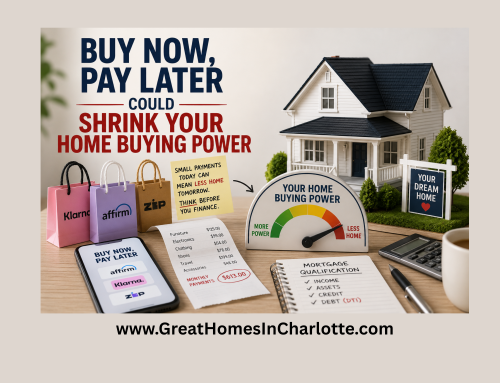
Once you know the difference, you have something concrete to work with. Maybe the home you want puts you $175 over your preferred monthly payment. Maybe it’s $300. Or perhaps the gap is large enough that buying right now simply doesn’t make sense.
3. Is there a realistic way to close that gap?
This is where home buyers sometimes have more options than they realize.
A lower purchase price can reduce the payment. A seller credit may be used toward closing costs or, depending on the loan and transaction, an interest-rate buydown. Paying off or reducing certain debts could change your overall financial picture. A different loan program or financing structure might also produce numbers that work better for you.
And in a market where some sellers are willing to negotiate, the asking price isn’t always the end of the conversation.
Sometimes Waiting Really Is The Right Decision
There are buyers who should wait.
If buying would stretch your budget too far, drain the savings you need after closing, or leave you uncomfortable with your monthly obligations, waiting can make sense.
But that decision should be based on your finances and your circumstances, not simply on a headline about the Federal Reserve.
Because there’s an important difference between:
“I can’t comfortably afford the home I want right now.”
and
“I’m waiting because I assume mortgage rates will eventually come down.”
The first is based on numbers you know. The second depends on predicting the future.
And waiting has variables of its own. Mortgage rates could fall, rise or remain relatively stable. Home prices could change. The particular home or neighborhood you want could become more—or less—competitive. Your own income, savings and circumstances may change as well.
Did you know? 41% of buyers who waited wish they’d bought sooner – before rates and prices rose again.

Before You Put Your Home Search On Hold, Run The Numbers
If you’re considering buying a home in Greater Charlotte, the headlines about Fed rates and home buying shouldn’t be the only reason you decide to wait. Don’t make the decision based on the headline alone.
Let’s look at the home price you’re considering, the payment you want to stay within and the size of the gap between the two. Then, together with a knowledgeable mortgage lender, we can determine whether there are realistic ways to make the numbers work.
Sometimes the answer will be “not yet.”
But sometimes what looks like a reason to put your plans on hold turns out to be a manageable $150–$300 monthly difference that can be addressed through price, seller concessions or financing.
Before you decide to wait for mortgage rates to come down, let’s determine what would actually need to change for buying a home to make sense for you. You certainly don’t have to buy now. You should buy when the numbers work for you. BUT… you should at least know your options before making a decision. Don’t let a Fed headline make the decision for you. Reach out to me and let’s look at what buying would actually cost, what could bring that monthly payment into your comfort zone, and whether moving forward makes sense for you. I’d be delighted to introduce you to some of the Charlotte area’s top mortgage lenders who can help you evaluate loan options, interest-rate strategies and the numbers behind your purchase.
Thinking about buying or selling a home in the Charlotte area?
Nina Hollander is an expert local real estate agent serving Charlotte and surrounding communities. Whether you’re just starting your search or ready to make a move, Nina is here to provide trusted guidance every step of the way. Contact Nina today to get personalized help with your real estate goals.
Thinking about selling your Charlotte home? Request our free Charlotte home value report and to see what your home may be worth in today’s real estate market.
Check out the Real Estate Market in Charlotte NC
I work hard for my clients to ensure they have the best selling or buying experience possible. For comprehensive real estate information in the Greater Charlotte NC area, check out the links below!